Mattress pads are essential for enhancing comfort, extending mattress life, and improving sleep quality by providing an extra layer of padding and one more barrier against wear. They come in various fills, thicknesses, and protections, designed to accommodate different sleeping positions and moisture needs. Understanding their construction helps select the right option for personal comfort and long-term mattress care.
Key features often include fabric type, fill material, and waterproof or breathable barriers. Common fills range from cotton, wool, and memory foam to hypoallergenic alternatives. Mattress pads with moisture-wicking or waterproof barriers are particularly valuable for bedside protection, spill resistance, and maintaining surface hygiene in shared sleeping spaces.
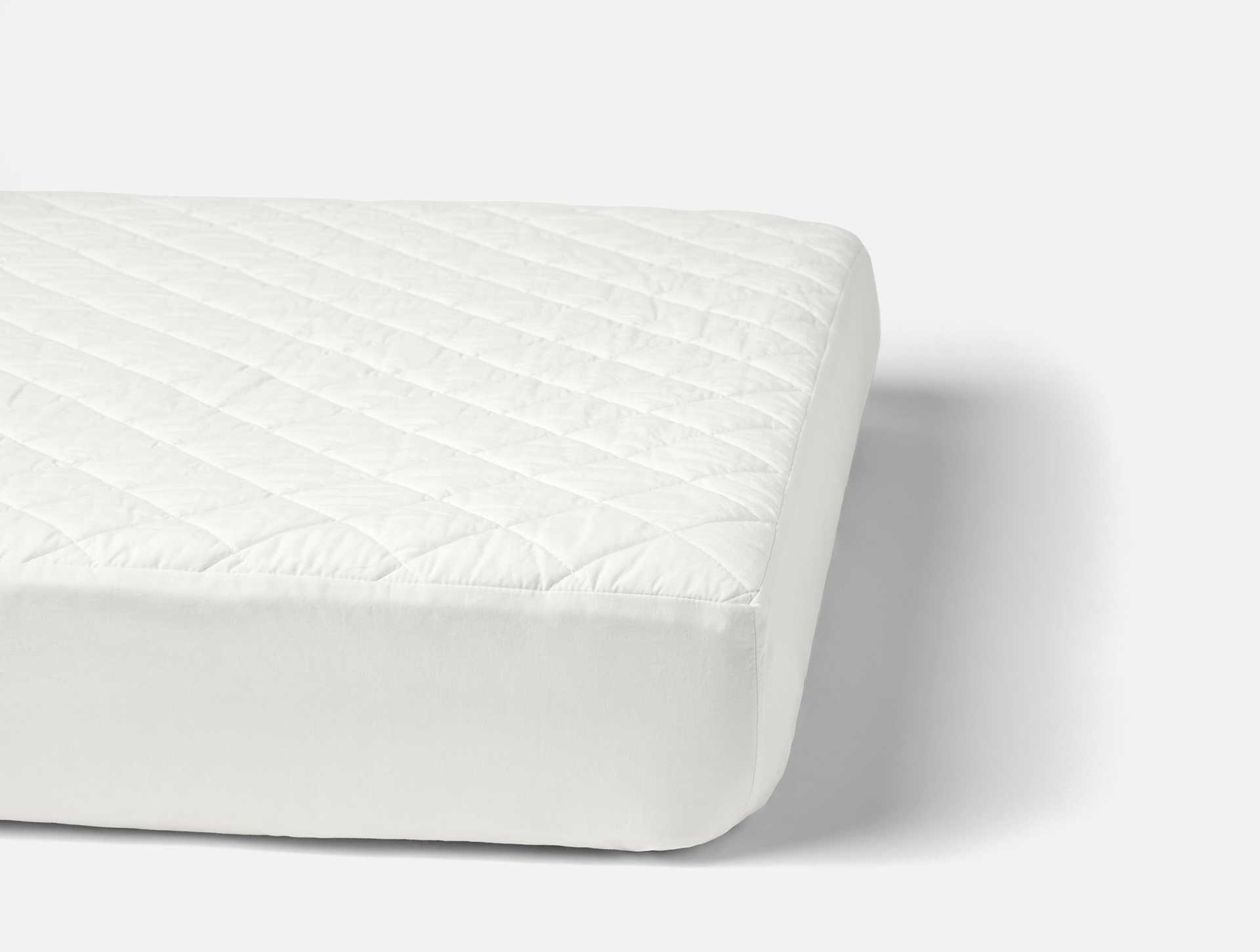
When evaluating suitability, consider size compatibility, fabric durability, and care requirements. A well-chosen mattress pad should fit securely with elasticized corners or straps, reduce heat buildup, and offer surface conformity without altering overall firmness. For sensitive users, hypoallergenic fabrics and antimicrobial treatments can contribute to a cleaner sleeping environment.
For households focusing on organic and natural options, organic mattress pads emphasize non-toxic materials and certifications that reflect careful sourcing. Such pads may incorporate natural fibers like organic cotton or wool, providing breathable warmth and a gentle touch for sensitive skin, while supporting longer mattress longevity through protective coverage.
In the realm of specialized products, the Organic Crib Mattress Pad offers dedicated features for infant sleep surfaces, including gentle, breathable materials and secure fit designs. This category also aligns with related bedding components such as pillows, sheets, and organic mattress considerations, helping caregivers maintain consistent comfort and cleanliness across sleep environments.
 Bedding