Comforters are essential bedding components that provide external warmth while maintaining a comfortable surface for sleep. They vary in fill material, weight, and loft, which influences insulating properties and breathability. Understanding fabric types, stitching patterns, and care requirements helps match a comforter to seasonal needs and personal preferences for a restful night.
Common fill options include down, down-alternative, and cotton blends, each offering distinct warmth-to-weight ratios. Down-filled comforters deliver high warmth with light weight, while synthetic fills emphasize affordability and easy care. Fabric shells often use cotton or brushed microfiber for softness, durability, and improved moisture management during sleep.
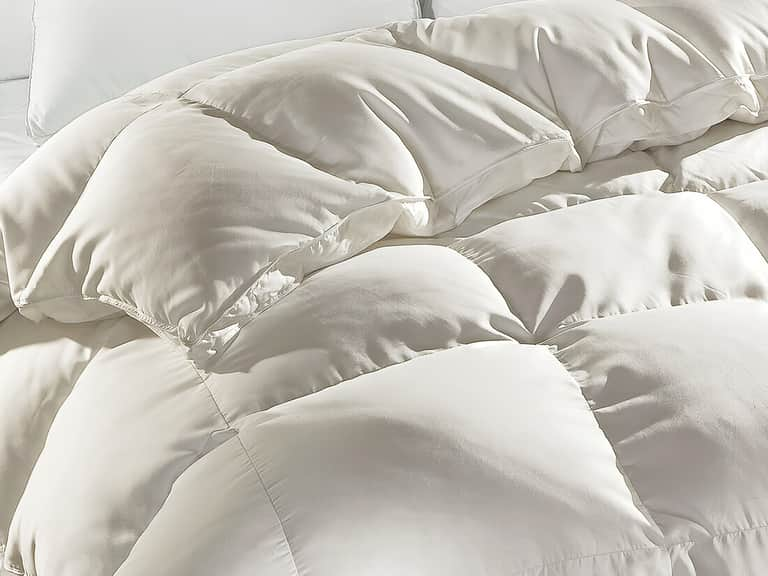
The Clean Bedroom Manhattan Goose Down Comforter exemplifies how premium materials translate to comfort and practicality. Goose down provides excellent loft and warmth with lower weight, and a well-constructed cover helps prevent feather migration. Such features contribute to consistent thermal regulation and a luxurious, breathable sleep surface.
Care considerations are important for maintaining comforter performance over time. Many comforters are machine washable or require professional cleaning, and duvet covers can extend lifespan by protecting the outer fabric. Proper storage, avoiding compression of the fill, and following manufacturer guidelines preserve loft, warmth, and texture.
In the context of bedding, pillows, sheets, and organic mattresses form a cohesive sleep environment. Organic options, including organic crib mattresses, emphasize natural materials and reduced chemical exposure. Understanding how comforters interact with other bedding layers supports safer, more comfortable nights and sustainable choices within the bedding ecosystem.
 Bedding